
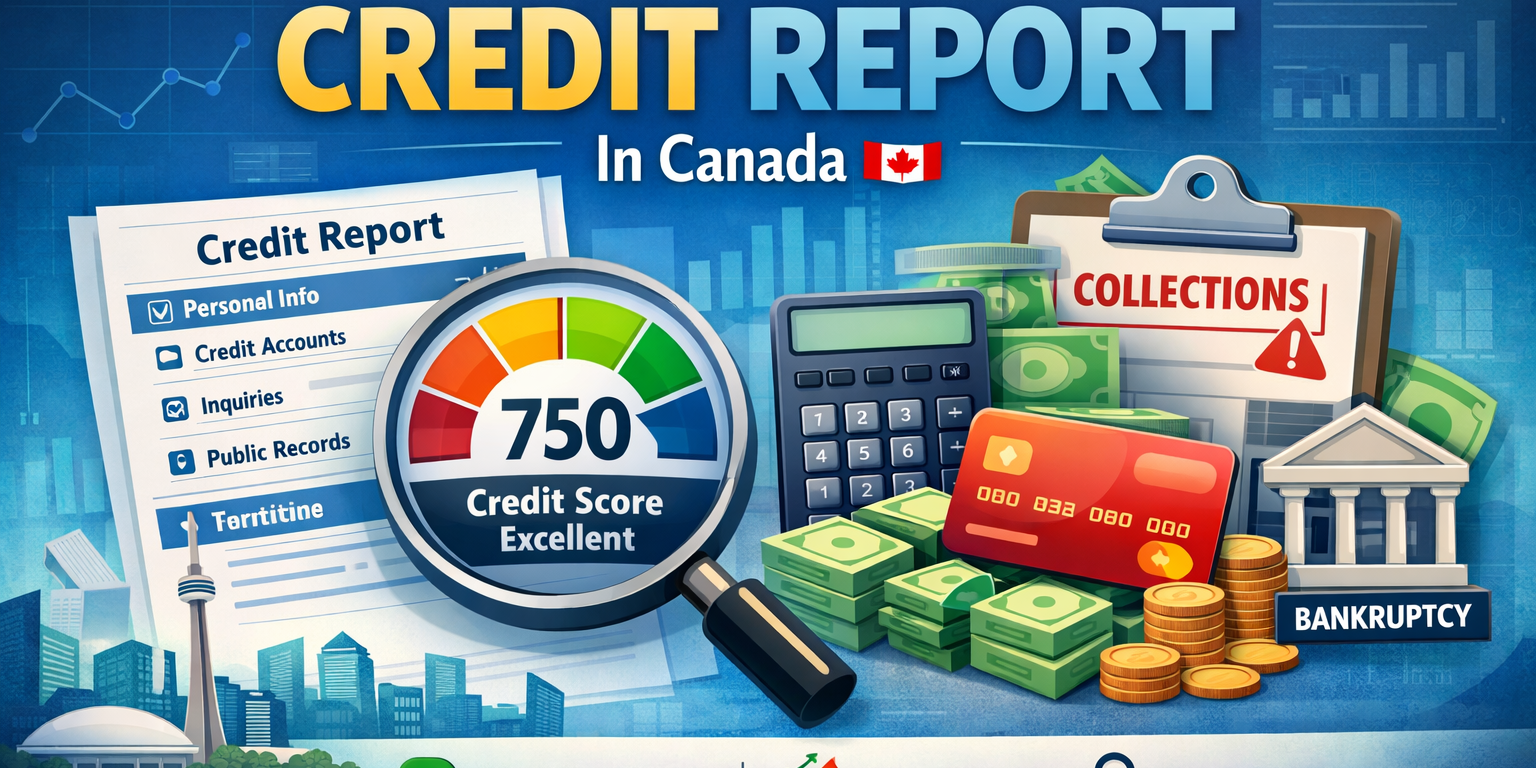
Understanding your credit report is essential for managing your financial health. It provides insights into your financial behaviour, helping lenders assess your eligibility for loans, mortgages, or credit cards. In this article, we’ll break down how to read your credit report, understand its components, and how to use it to check your credit score in Canada.
What is a Credit Report?
A credit report is a detailed record of your credit history, compiled by credit bureaus in Canada, such as Equifax, TransUnion, and Experian. It includes information on your credit accounts, payment history, outstanding debts, and any legal actions such as bankruptcies.
Key Components of Your Credit Report:
- Personal Information: Includes your name, address, date of birth, and employment details. It’s important to ensure that this information is correct.
- Credit Accounts: Lists the accounts you hold (credit cards, loans, mortgages), showing the type of credit, the balance, and your payment history.
- Credit Inquiries: This section includes the companies that have accessed your credit report. A high number of inquiries can indicate potential financial distress or excessive borrowing.
- Public Records: This includes bankruptcies, judgments, or liens that could affect your creditworthiness.
- Collections: If any debts have gone unpaid and have been sent to collections, they will appear here.
How to Get Your Credit Report in Canada
In Canada, you are entitled to request your credit report for free once a year from the major credit bureaus—Equifax and TransUnion. This helps you ensure that all the information on your credit report is accurate, and spot any fraudulent activity or errors.
Steps to Get Your Credit Report:
- Visit the Credit Bureau’s Website:
- Equifax Canada: You can request your credit report online through their website.
- TransUnion Canada: Similar to Equifax, TransUnion also allows you to request a free report annually.
- Verification: You’ll need to provide personal information to verify your identity.
- Review the Report: Once you receive your report, it’s crucial to go over every section to ensure its accuracy.
For more detailed information, you can also get a credit report check at any time for a fee if you need immediate access.
How to Get Your Credit Score
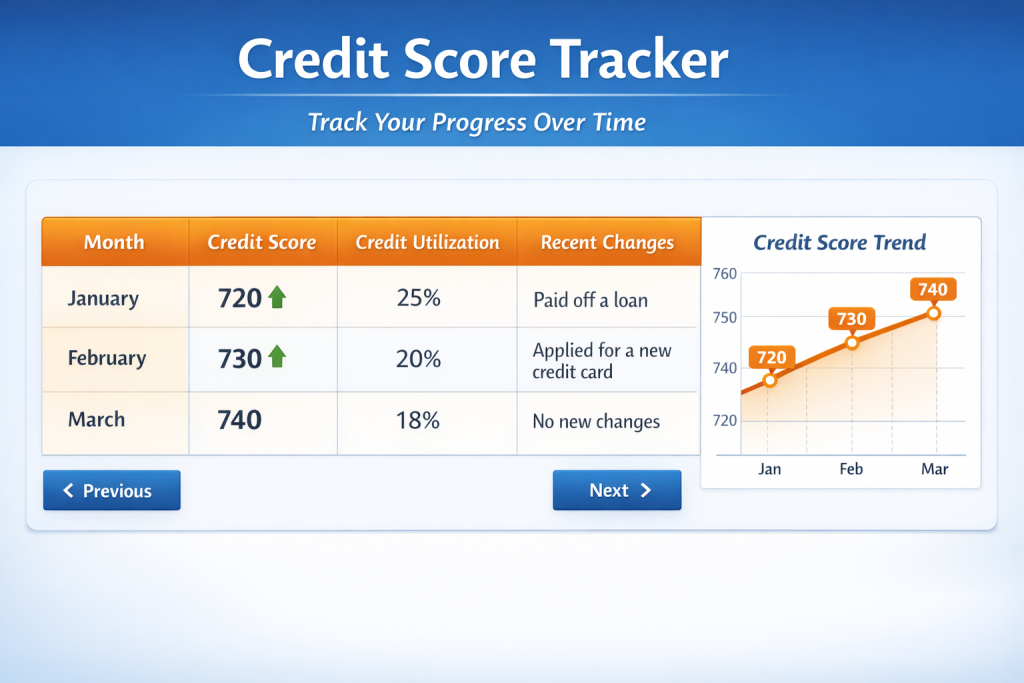
Your credit score is a number between 300 and 900 that represents your creditworthiness. The higher your score, the more trustworthy you are in the eyes of lenders.
In Canada, credit scores are generally calculated based on the information in your credit report.
Factors Affecting Your Credit Score:
- Payment History (35%): On-time payments help boost your score, while missed or late payments will lower it.
- Credit Utilization (30%): The percentage of your available credit that you use. Keep it below 30% to maintain a healthy score.
- Credit History Length (15%): The longer your history of managing credit, the better.
- Types of Credit (10%): A mix of credit types (credit cards, mortgages, loans) can improve your score.
- New Credit (10%): Opening too many new accounts in a short period can hurt your score.
How to Read Your Credit Report and Score
Now that you have your credit report, it’s time to understand it. Let’s break it down.
1. Review Your Personal Information
Check the accuracy of your name, address, and other personal details. Incorrect information could be a sign of fraud, or may negatively affect your credit score.
2. Examine Your Credit Accounts
Each credit account will list:
- Credit Limit: The maximum amount of credit available to you.
- Balance: The amount you owe on each account.
- Status: Indicates if the account is current, overdue, or in collections.
Make sure there are no discrepancies, such as accounts you didn’t open or balances that are incorrect.
3. Monitor Credit Inquiries
Every time a lender checks your credit, it’s recorded. Too many inquiries in a short period can hurt your score, so be mindful of who is pulling your credit report.
4. Check Public Records and Collections
Look out for bankruptcies, judgments, or accounts sent to collections. These will stay on your report for several years and can significantly affect your score.
5. Understand Your Credit Score
Once you check your score, you’ll want to know what it means:
- 300-559: Poor
- 560-659: Fair
- 660-724: Good
- 725-900: Excellent
A higher score means you’re more likely to receive favorable terms when applying for credit.
How to Improve Your Credit Report and Score
If your credit report is less than stellar, don’t worry. There are steps you can take to improve it:
- Pay Your Bills On Time: Late payments are one of the biggest factors affecting your score.
- Reduce Your Credit Card Balances: Lowering your credit utilization ratio can have an immediate impact.
- Check for Errors: Dispute any inaccuracies on your report. This might include outdated or incorrect information.
Conclusion
Understanding your credit report and score is an essential part of managing your financial health. By regularly reviewing your credit report, ensuring its accuracy, and knowing how to improve your credit score, you can make smarter financial decisions. Remember, checking your credit report in Canada is free once a year, so take advantage of it to stay on top of your finances.