

Have you ever received a message that seemed legit but felt a bit off? You’re not alone; AI scams are targeting more people than ever. In today’s tech-driven world, scams are getting smarter, and AI is playing a big role in making them harder to spot. From fake websites to deceptive social media messages, scammers are using advanced tools to trick you into giving up your money. But don’t worry, we’re here to help you understand these scams and give you the tools to protect yourself from fraud.
Understanding AI Scams
AI scams typically use advanced algorithms to trick individuals into sharing sensitive financial information. These scams can involve AI-driven bots that impersonate people you trust, fake payment portals, and automated systems that manipulate financial transactions. The most common types of AI scams include:
- Credit Card Scams: Fraudulent websites or bots trick users into entering credit card details.
- Payment Fraud: AI bots are generating fake invoices or requests for payment, leading individuals to pay for services they never received.
- Investment Scams: Fake investment platforms using AI to display fake gains and trick users into handing over money.
According to a report by the Federal Trade Commission (FTC), over $3.3 billion was lost to fraud in 2020 alone, and AI-driven scams contributed significantly to this figure.
How to Recognize AI Scams
Recognizing AI scams can be challenging, especially as they often look like legitimate transactions. Here’s how to spot potential fraud:
- Suspicious Communication: If you receive unexpected messages or emails from friends, family, or companies, especially asking for money, exercise caution.
- Fake Payment Requests: AI bots can create fake invoices that appear to come from trusted sources. Always verify before making any payments.
- Unusual Offers: If something seems too good to be true, it probably is. AI scams often involve too-good-to-be-true investment opportunities, free trials, or limited-time offers.
- Fake Websites: AI can easily clone popular websites. Always check the URL for any inconsistencies and verify if the website is secure by looking for “https” in the URL.
If you’ve already fallen victim to an AI scam and are considering your options, consulting the personal bankruptcy service
can help you navigate the financial implications and find a way to regain control.
Reddit Insights on Recognizing AI Scams
According to reports shared on a popular financial forum, scammers are now using AI to clone voices, write authentic‑sounding emails, and even deploy fake support chatbots that steal personal info — making awareness and verification more important than ever.
How to Protect Yourself from AI Scams
1. Report Credit Card Fraud Immediately
If you suspect that you’ve fallen victim to an AI scam, one of the first steps is to report credit card fraud to your card issuer. Most financial institutions offer a fraud detection service that can block unauthorized transactions immediately, preventing further losses.
2. Use Secure Payment Methods
Always opt for secure payment methods like PayPal, Apple Pay, or bank transfers, as they often provide fraud protection. Avoid using debit cards or direct wire transfers when dealing with unknown websites or platforms.
3. Enable Two-Factor Authentication (2FA)
Many AI scammers attempt to access your accounts by stealing login credentials. Enabling two-factor authentication adds an extra layer of security by requiring an additional code from your phone or email, making it harder for scammers to gain access.
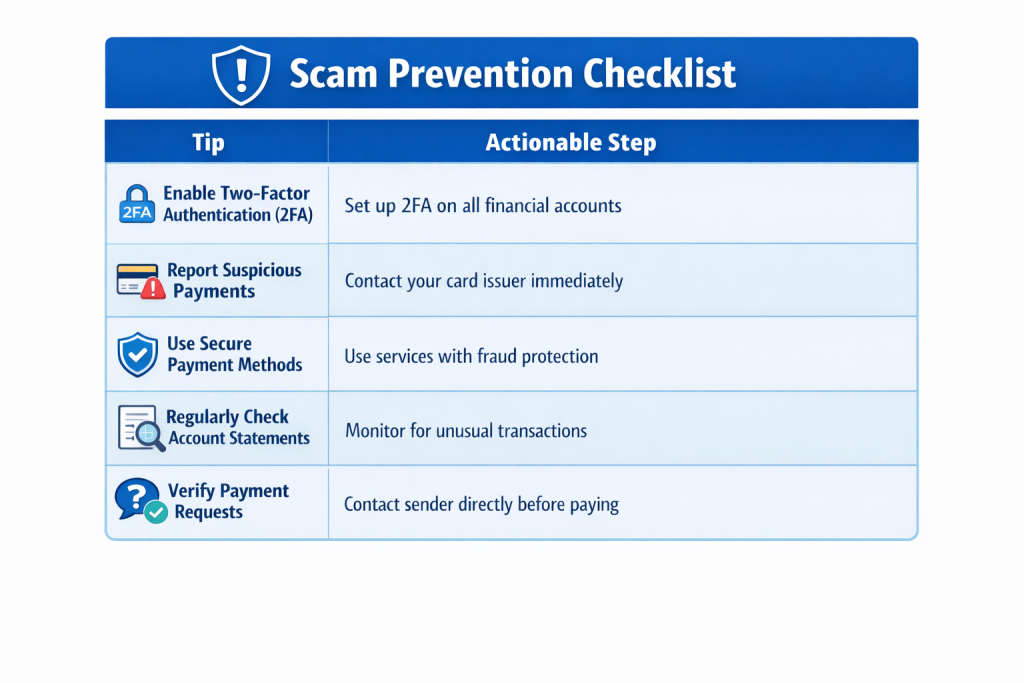
4. Regularly Monitor Your Accounts
Make it a habit to check your bank and credit card statements regularly so you can spot anything suspicious early. If you notice something off, reach out to your bank or financial institution as soon as possible. And if you’re unsure about what to do next, Kunjar Sharma & Associates Inc.
can help guide you through the process and offer expert advice to keep your finances safe.
5. Verify Payment Requests
Before making a payment, verify the request. If you receive a request via email or text from someone claiming to be a friend, company, or family member, always call or message them directly through another platform to confirm the legitimacy of the request.
6. Educate Yourself and Others
Stay informed about the latest scams. You can learn a lot by reading articles and watching YouTube videos where individuals share their experiences with scams. A popular YouTube channel, ScamBusters, has detailed explanations of the latest AI-driven frauds, helping viewers understand how scams work and how to avoid them.
What to Do If You’ve Been Scammed
If you find yourself a victim of a scam, here are the steps you can take:
Get Your Money Back from Scammers
If you’ve fallen for a scam, contact your bank or credit card issuer immediately. Many banks offer reimbursement if the fraud is reported quickly. For online payments, services like PayPal also offer buyer protection for scams, allowing you to open a dispute.
Report AI Scams to Authorities
Reporting scams to authorities helps prevent others from falling victim. You can report fraud to the FTC, Better Business Bureau, or your country’s equivalent. In some cases, the scammer might be caught, and the stolen money could be recovered.
Monitor Your Credit
Fraudulent activity can affect your credit score. Set up credit monitoring to keep an eye on any suspicious changes to your credit report. Services like Credit Karma or Experian offer free credit monitoring tools.
Stay One Step Ahead of AI Scammers
Staying informed about the latest AI-driven scams is your first line of defence. By following the tips in this article—reporting fraud promptly, using secure payment methods, and educating yourself and others—you can significantly reduce the risk of falling victim to these increasingly sophisticated schemes.